|
 |
 |
 |
 |
 |
|
 |
 |
| |
 |
THE
SILPAKAR WOODCARVER FAMILY
Wood is an integral part of the Nepalese pagoda architecture.
Most of the wood carvings that have survived are from the Malla
period. As with painting, stonework, and healing, certain clans
of the Newars have been working with wood for generations. Among
the woodcarver clans, the Silpakars are, perhaps, the greatest.
This article has been prepared by talking to four generations
of Silpakars. They talk about how their clan, initially working
on stone, evolved over the years. |
| |
|
 |
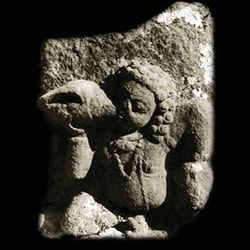
LOST
WAX METAL SCULPTING
This photo essay contains basic information on the lost wax
metal sculpture process used in the Kathmandu Valley. Copper
has replaced bronze in terms of popular use as raw material
among artisans. The lost wax method is unique to the Kathmandu
Valley and is practiced particularly in the Patan area in Kathmandu.
The other locations well known for hand worked metal art are
Chainpur, Palpa, and Bhojpur. |
| |
|
 |
STONE
WORK
Mastery over stone is among the first skills that the early
humans acquired. The earliest samples of stone carvings in Nepal
date back to the second century BC. Artisans that are highly
skilled and capable continue to use techniques and tools unchanged
over the centuries. They enjoy increased interest among Nepalese
buyers and the renovation and reconstruction of temples and
stupas has revived an art style that was being slowly abandoned
even by clans with generations of tradition in this field. |
| |
|
 |
TERRA
COTTA PROCESS
Clay pots, basins and water containers are used day to day in
many households. Temples, houses and alleys display the mastery
of the Newari community in terra cotta art. From the Mahaboudha
Temple built four hundred years ago to the second century workship
site of Pashupati, terra cotta art is widely prevalent in this
country. Besides the Newars, the Tharus and other communities
also continue a tradition that is finding greater commercial
success. |
| |
|
 |
A
POTTER'S DAY
Art is often about lifestyle, the attitude of the creator, and
the contribution he or she makes to the social structure. Simple
farmers using the fertile soil of their fields keep the craft
of terra cotta alive and in daily use in this country. For hundreds
of years, they kept Kathmandu Valley among the most prosperous
places in this part of the world. There is much wisdom in their
lifestyle and learning. This article gives some insight into
how potters and their clients interact. |
| |
|
 |
THANGKA
AND PAUBHA PAINTINGS
When the Lord Gautam Buddha aged, his disciples worried that
over the years artists would draw his face in many different
ways. In order to assure that there would be no distortion,
one of them measured the face of the Buddha and wrote the measurements
down. He mixed an exact herbal combination to attain the color
of his skin. Great monks entered caves and meditated and created
paintings that would pass on their feelings, strengths and wisdom.
Today thangkas and paubhas are among the most appreciated art
styles of this Himalayan nation. |
| |
|
 |
THE
CRAFT OF WEAVING
Hill women's Dhaka shawls and the men's topi caps are handmade.
The art of weaving yak wool, sheep wool, or cotton by hand is
still popularly practiced throughout the country. Nepalese Tibetan
rugs, radi floorings, straw mats, and pashmina shawls are some
weaving traditions that the visitor may observe on a visit to
this country. Bhaktapur women wove their own saris, the Sherpas
of the high Himalayas weave beautifully patterned cloth to go
with their bakkhus... |
 |
|
 |
 |
 |
 |
|