|
 |
 |
 |
 |
 |
STONE
SCULPTING PROCESS |
 |
 |
| For
those with an eye for detail notice that stone images are plentiful
in Nepal. Beneath the watertaps, around temples and stupas,
along the streets (even modern streets), there are lions and
griffins, gods in fine details and gods that have no details,
images that go back centuries and images that have been set
there recently by those seeking a connection with the immortal.
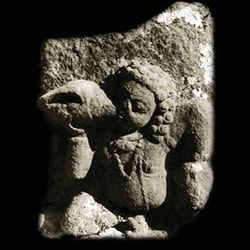
The history of Nepal is told in stone. Few manuscripts have
survived, the oral tradition fails to identify the nation's
ancient culture, wooden images beyond the seventeenth century
have mostly rotted away and metal work barely reaches the tenth
century. So for scholars and for those seeking an insight into
Nepalese minds, stone tells the clearest stories. There was
time when stone art was on the wane. Particularly after the
fall of the Mallas, there was no real demand. But now stone
carvers are busy again. Young men are seen creating work that
rival the finery of their ancestors' creations and it is the
Nepalese people themselves who have fueled this growth. |
| |
|
|
|
|
|
| Stone
sculpture is seen everywhere: in the Kathmandu Valley, along
the trekking trails, by the riversides. Granite, sandstone,
and even marble is used. Carvers in the valley bring in stone
from Dakshinkali or Gadavari quarries. Artisans use primitive
tools. The set square and the primitive compass are considered
"modern". Some of the carvers are beginning to use
the drill. |
| |
 |
 |
 |
 |
| It
is upto the artist to envision what he or she wants to create.
References can be made to history or the imagination can rule.
A rough sketch is made on stone. It is entirely the "feel"
of the artisan that determines the quality of the product. Lines
are drawn by the chisel. Experience teaches the artist how to
work. The only way they learn is through apprenticeship. Experience
ranging over generations helps many. The art of stone work is
passed on from grandfather to father to son. The clans are tightly
knitted. |
| |
 |
 |
 |
 |
| An
image in its earlier stage, the shape is coming. Boys as young
as eighteen are skilled in the art of stone shaping.
Further details have been worked out. Granite is the preferred
stone, marble is worked upon only on special request. Details
are now to be filled in. High quality sandstone is used for
work that requires great detail and they need to be saved from
the elements. The image is ready for the showroom. It is the
Nepalese people themselves who have fueled the growth of this
form of art. |
| |
|
|
| Carvers
are used to working with traditional themes and images. Deities,
serpents, yogis, oxen, lions, and the Buddha are some of the
images that they work on for their clients. These three young
men represent the diverse ethnic groups that are working at
stone carving. Tamangs, Newars, and even the Brahmins and Chettris
are working as carvers in Patan. While few new images were being
made for decades, ancient images were stolen and sold in the
international market. Today, Nepal has young blood that can
replace what was lost and in equal finery. |
|
| |
 |
 |
 |
 |
|